![[field.alt-text]](/sites/g/files/fugoka841/files/2022-09/image_IODOMARIN_Tripleteaser_Mother_Babies_Iodine_0.jpg)
Mothers-to-be
Pregnant women and breast-feeding women have an increased need for iodine due to their particular metabolism.

Important nutritional facts for mothers-to be
The reason for these changes is not only to prepare the female body for the pregnancy, but also to assist the development of the unborn child. Some of these changes relate to the so called endocrine system, the system that regulates a lot of functions in the body by producing certain hormones. For example, the production of thyroid hormones is increased in pregnant women which means that women have also an increased need for iodine during their pregnancy.
Iodine is a mineral nutrient that is necessary for normal thyroid gland functions. You can get more information about iodine and its important functions in your body in the chapter “Iodine deficiency”.
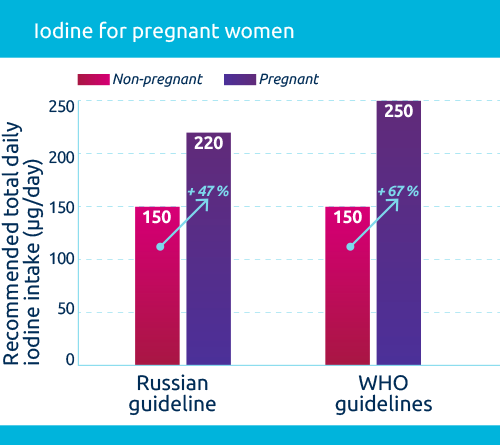
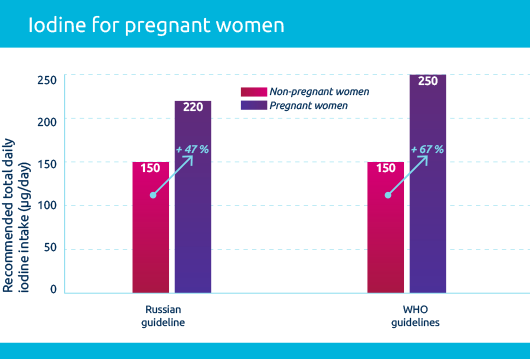
Therefore, the WHO recommend that pregnant women take in more iodine than non-pregnant women.
But sometimes it could be very hard to get enough iodine from food, especially if your need is increased. Then measures such as supplementary iodine tablets like Iodomarin® can be taken to ensure the intake of enough iodine and to prevent iodine deficiency and its consequences as early as possible.
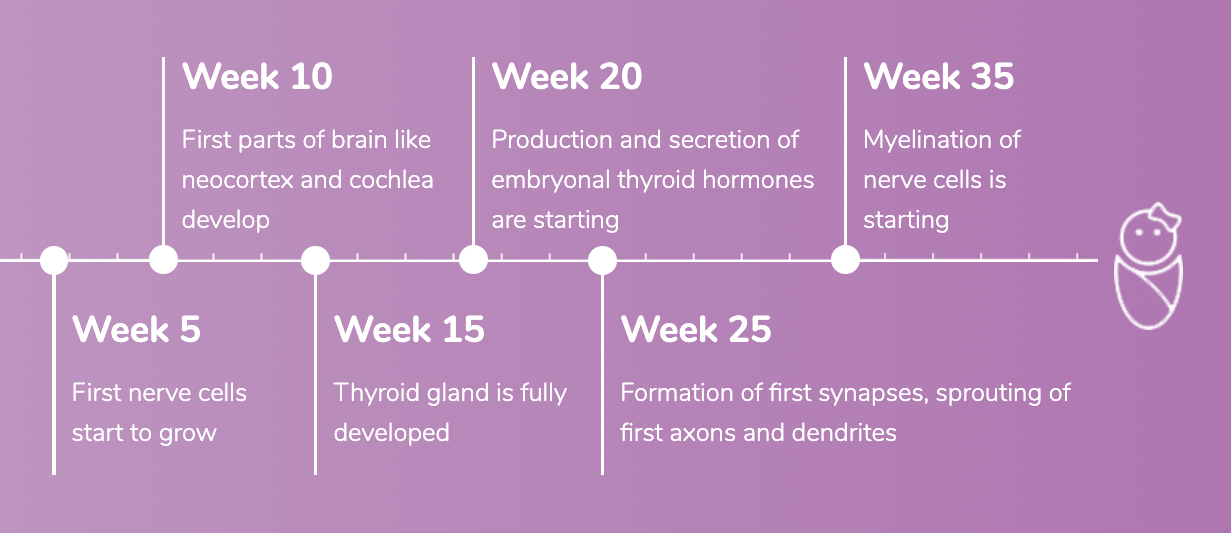
Thyroid hormones have distinct functions in the body during different growth phases of the fetus. In the course of pregnancy they regulate the growth and development of various organs, such as the brain. Therefore they are very important for proper growth as well as physical and mental development in the fetus during pregnancy.
If you are pregnant you have to take in more iodine than before. This increased need for this mineral nutrient has several reasons. First of all the placenta is a rich source of a specific enzyme, the so called type 3 inner ring deiodinase, which inactivates the thyroid hormone thyroxine by transforming it into a bio-inactive form. The thyroid hormone demand of the body therefore increases, which requires an increased amount of iodine intake. In addition, in early pregnancy high concentrations of the hormone human chorionic gonadotropin (hCG) stimulates your thyroid to produce more thyroid hormones. These additional thyroid hormones are transferred from your body through your blood and the placenta to the fetus, as the embryonal thyroid gland does not start to produce and secret its own thyroid hormones before week 20 of pregnancy. During the second half of pregnancy fetal thyroid hormone requirement increases, and since iodide can easily cross the placenta therefore your iodine demand as a mother increases.
Furthermore pregnant women have an increased need for iodine due to other changes:

In response to all these changes in metabolism, beginning in early pregnancy the thyroid hormone production of pregnant women increases by approximately 50% compared to non-pregnant women. This increase requires an adequate iodine supply that is obtained primarily from the diet and/or as supplemental iodine. Therefore UNICEF, ICCIDD and WHO recommend an increased daily intake of 250 μg compared to 150 μg for non-pregnant women.11 Different agencies have recommended different intakes to meet iodine needs of pregnant women, ranging from 150 to 290 µg/day.
One possibility to reach the increased daily need of iodine is a sufficient intake by food. In areas with normal iodine supply 200 µg of iodine can be obtained by consuming one out of the following fresh food in approximately mentioned amounts:

Therefore a supplementation of iodine should be considered to achieve these amounts of iodine if you are pregnant.
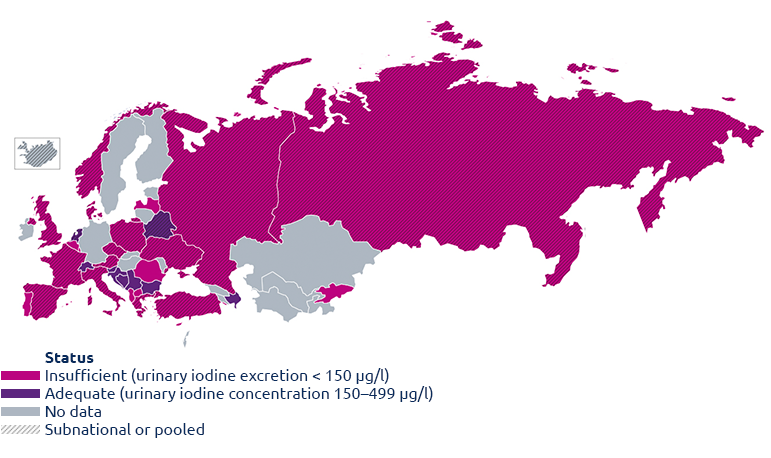
To estimate how often an iodine deficiency occurs during pregnancy in the countries of the European region (WHO), a most recent survey of pregnant women within the span of year 2000 – 2015 was analysed. For some countries data of a national survey were not available, therefore the scientists analysed pooled subnational studies with at least 100 women. All together 58% of pregnant women in Europe in these years were covered by this method. The results were clear: Only in ten countries the iodine intakes were adequate in pregnancy, whereas pregnant women in 21 countries get too little iodine. This means that in Europe two-thirds of all women have an inadequate iodine intake during their pregnancy.
Of course an iodine deficiency in pregnant women can have the same effects and cause the same disorders as it does in all adults. But – and this is much more important – it can lead to partially severe consequences for the fetus.
A severe iodine deficiency leads to:
The most serious form of these irreversible derangements is the so called cretinism, which can lead to mental deficiency, deaf-mutism, spastic diplegia (a form of cerebral palsy), squint, and a short stature.
But not only can a severe deficiency have negative impacts on the fetus. Also a mild to moderate iodine deficiency during pregnancy may affect the cognitive function of the baby. This shows clearly how important it is to take care of your iodine intake – especially during pregnancy – and it’s good to know that supplementation with iodine e. g. with Iodomarin® 100 and 200 is an easy way to reduce the risk of iodine deficiency disorder in pregnant women.
Important developmental stages of an embryo
The advice given by public health authorities to counteract iodine deficiency sounds easy:

Milk & Dairy Products
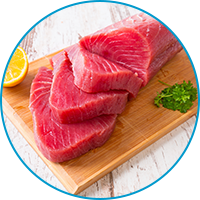
Saltwater Fish
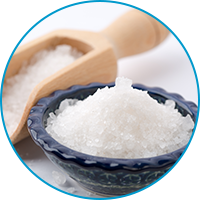
Iodised salt
But getting enough iodine just by following these advices could be difficult, when your need of this mineral is increased because you are pregnant. Especially if you live in regions where the risk of developing an iodine deficiency is very high because of a low iodine status and where vegetables, plants and livestock only contain small amounts of iodine.
An easy and effective method of acquiring an adequate amount of iodine and prevent iodine deficiency in this case could be iodine supplementation. One possibility is a daily intake of iodide tablets like Iodomarin®. In case the required amount of Iodine in normal nutrition cannot be guaranteed, the iodine quantities set out below are to be administered additionally in order to prevent iodine deficiency:
Recommended iodide intake according to the package leaflet of Iodomarin ®
These recommended doses may supplement the daily iodine requirement for you and may serve as an easy and convenient way to prevent iodine deficiency and it consequences.
American thyroid Association for example has recommended 150 μg daily iodine supplementation for all North American women who are pregnant or breastfeeding. More recently the Endocrine Society, Teratology Society, and American Academy of Pediatrics have also advocated iodine supplementation.
If you are pregnant you will see your doctor for your regular prenatal medical check-ups. During these check-ups he will examine the proper development of your fetus. In addition he/she will do some blood tests and among others also check the status of your thyroid hormones and see, if you may have an iodine deficiency.
Also if you are not pregnant but planning to get a baby, you should see your doctor and check your iodine status.

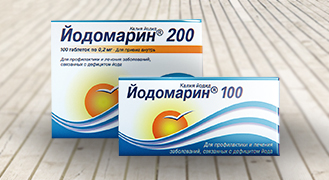
Iodine is vital for health: The thyroid gland needs this essential mineral to steer many bodily processes. Controlled iodine supplementation adds to a healthy life.
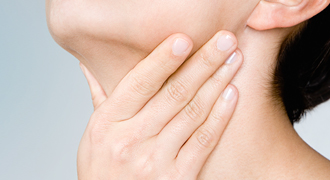
Iodine is essential hormone component and cannot be produced by your body so you need to take sufficient iodine with food.

Pregnant women have an increased need for iodine.

Iodine is very important for proper growth and physical and mental development in the fetus during your pregnancy.
Experts recommend an increased daily intake for pregnant women of 250 μg iodine instead of 150 μg for other adults.
Iodine deficiency can be prevented using oral prophylaxis

Continue reading with > Pregnancy, Nursing & Early Childhood
Pregnant women and breast-feeding women have an increased need for iodine due to their particular metabolism.
![[field.alt-text]](/sites/g/files/fugoka841/files/2022-09/image_IODOMARIN_Tripleteaser%20_Adults_Iodine.jpg_3.jpg)
A sufficient amount of daily iodine can prevent thyroid diseases like goitre or hypothyroidism.
![[field.alt-text]](/sites/g/files/fugoka841/files/2022-09/image_IODOMARIN_Tripleteaser%20_Iodine_defiency_1.jpg)
Iodine is essential hormone component and cannot be produced by your body so you need to take sufficient iodine with food.